 EN
Home Skincare
Ideal for daily facial care routines, providing easy-to-use beauty solutions at home.

2026/10/21
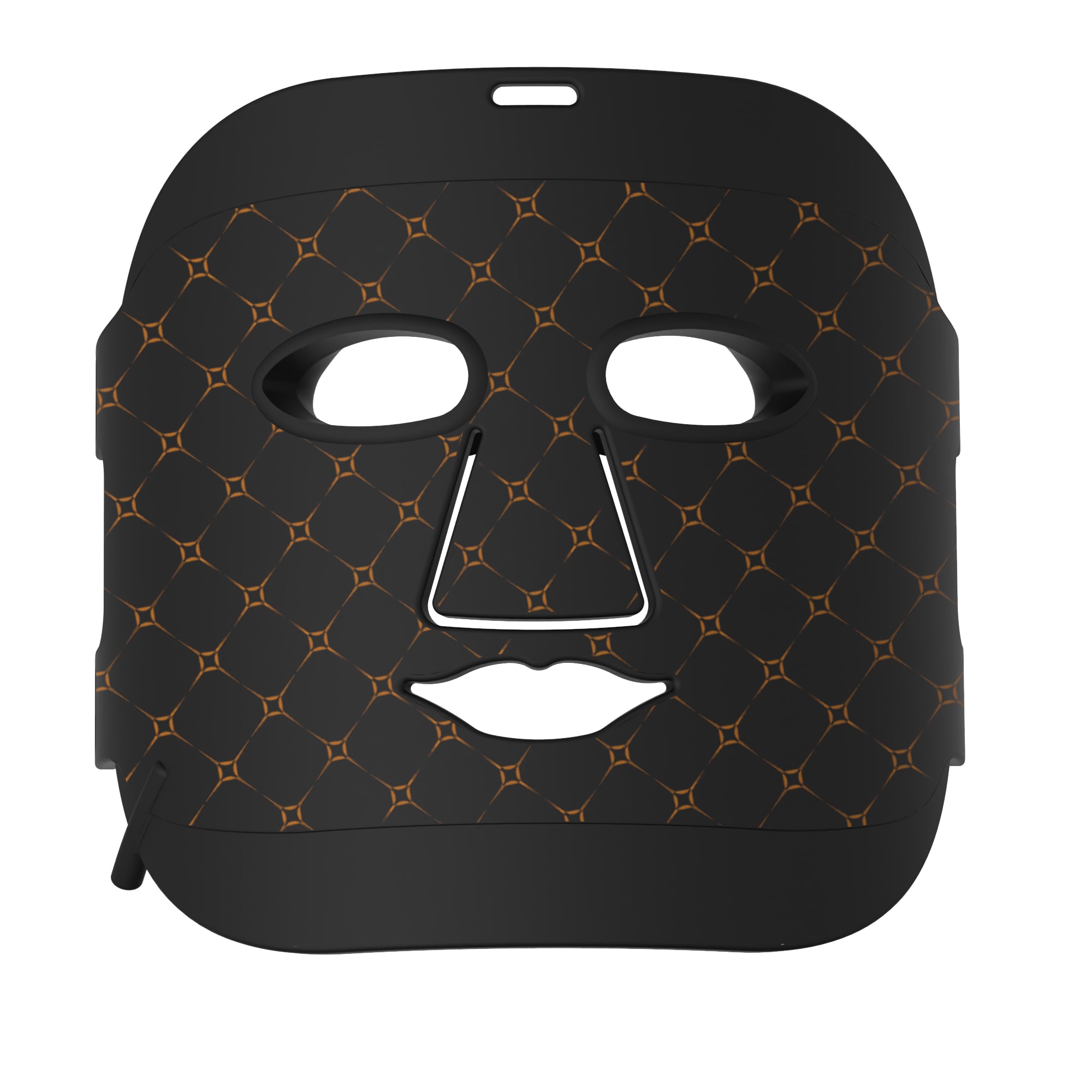
The global beauty device industry enters 2026 with a more mature question than simply whether demand is growing. For brand owners, retailers, and OEM/ODM buyers, the real issue is where durable value is moving: toward home-use routines, more targeted technologies, clearer claims, and product programs that can travel across markets. The broad word beauty covers cosmetics, services, and retail, so this overview focuses on hardware used in personal skincare, hair care, grooming, and non-invasive aesthetic routines.
From an industry-observer perspective, the most useful way to read the beauty device market is not through a single headline valuation. Published market estimates vary widely because reports include different combinations of clinic equipment, consumer electronics, hair removal, diagnostic tools, and home-use products. The shared direction is more useful: home treatment, convenience, personalization, and non-invasive care continue to shape the beauty device opportunity.
For a beauty device program, market momentum matters only when it can be translated into a safe, understandable, and repeatable home-use experience.
Several forces are converging. Consumers have become more familiar with devices that fit into a regular skincare or grooming routine, while brands want product categories that create repeat engagement beyond a topical product alone. At the same time, advances in LEDs, sensors, battery systems, app connectivity, and compact industrial design make it easier to package a focused beauty experience for home use.
The key change is not that every device needs more functions. In fact, many beauty buyers now assess whether a device is easy to understand, comfortable to hold, simple to clean, and realistic to use consistently. A multifunction product may broaden a range, but it can also create training, packaging, and support burdens. For a brand, the better proposition is often a clear user problem, a credible operating routine, and an after-sales plan that matches the device.
Each beauty technology segment requires its own user education, product-validation approach, and claims review; no single beauty device template fits them all.
The market is still diverse, but several device families remain central to the 2026 beauty conversation. LED and light-based devices appeal to brands looking for a visible technology story and an at-home ritual. Microcurrent and radiofrequency-inspired categories continue to be evaluated for facial-care positioning, but their claims, user instructions, and market pathways require close attention. Cleansing, thermal, cooling, ultrasonic, hair-removal, scalp-care, and hair-growth categories serve different needs and should not be treated as interchangeable.
Connected diagnostics are another direction worth watching. Skin-analysis concepts and guided routines can help a beauty brand turn a device into part of a wider service experience. Still, connectivity is valuable only when it makes the customer journey clearer. A feature that gathers data without improving onboarding, personalization, or support may add cost without adding a meaningful market advantage.
A global beauty launch should treat regional market entry as a series of local product and communication decisions, not a simple distribution expansion.
North America remains important because consumers are familiar with premium personal-care technology and brands can access established beauty retail and digital channels. Yet the United States also rewards disciplined beauty claims management. FDA materials make clear that intended use and promotional claims matter when determining whether a product is a medical device. A brand should therefore review its beauty product language, instructions, substantiation, and regulatory pathway together rather than treating compliance as a final packaging task.
Europe offers a large, varied beauty market where safety, documentation, and responsible beauty-device manufacturer roles are important purchasing signals. CE marking is not a generic marketing badge; applicability depends on the product and relevant rules. Buyers selling under their own name should verify the applicable requirements, technical documentation, and responsibilities for each destination market.
Across Asia-Pacific, strong skincare cultures, electronics ecosystems, and e-commerce adoption continue to support experimentation with home-use beauty formats. However, regional growth does not mean a single launch formula will work everywhere. Product education, visual preferences, routine complexity, price architecture, and local compliance expectations can differ considerably between markets such as Japan, South Korea, China, Southeast Asia, and Australia.
A disciplined beauty sourcing review brings beauty product, quality, compliance, and commercial teams into the decision before beauty-device production commitments are made.
For B2B teams, a global beauty market overview should end in a practical decision framework. The first screen is category fit: what specific routine, consumer concern, or channel need will the beauty device address? The second is user fit: can a first-time user understand the controls, safety notes, charging method, and maintenance requirements without excessive support? The third is market fit: are the intended claims appropriate for the countries and channels selected?
In real beauty procurement, this decision rarely belongs to one person. Product teams may prioritize design and user experience, sourcing teams may examine delivery and cost stability, and quality or compliance colleagues may focus on documentation. Aligning those priorities early reduces the risk of a beauty product that looks promising in a sample review but becomes difficult to sell or support at scale.
For a growing beauty brand, supplier selection increasingly determines how well a device range can adapt to regional feedback and operational requirements.
As the beauty device category becomes more crowded, brands increasingly need suppliers that can support a coherent product program rather than a one-off beauty-device purchase order. OEM capabilities can help with logo, packaging, and manual localization; ODM capabilities can help translate market feedback into function, appearance, and accessory choices. Neither route removes the brand’s responsibility to validate the finished product for its target market.
A capable partner should make the beauty development process easier to audit: define specifications, identify change-control points, establish inspection criteria, and document what will be consistent between approved samples and production. This beauty-market discipline matters especially when a brand intends to enter more than one market. Fast expansion can look attractive, but a staged launch that proves beauty product messaging, support processes, and compliance readiness in one priority market may produce a more durable platform.
In 2026, the beauty device opportunity favors teams that turn market signals into specific, usable, and supportable propositions.
The 2026 beauty device market offers opportunities for brands that combine practical technology with disciplined market execution. Growth narratives alone are not a sourcing strategy. The winners are more likely to define a narrow customer use case, set realistic beauty claims, create a usable routine, and build the operational evidence needed for each market.
For global beauty buyers, the most resilient path is to treat beauty technology selection, regulatory diligence, quality consistency, and brand positioning as one connected decision. That approach does not promise a universal formula, but it gives a beauty program a stronger basis for entering 2026 with relevance, credibility, and room to evolve.

2026/10/30
Discover why in-house mold development helps an RF beauty device manufacturer improve product consistency, iteration speed, tooling control, and production readiness.

2026/10/30
Learn how to verify an RF beauty device manufacturer's R&D and prototyping capabilities using practical engineering workflows and audit checklists.

2026/10/30
Learn what shapes MOQ when choosing an RF beauty device manufacturer and how to plan a lower-risk first order with balanced platform and customization.

2026/10/30
Use this RF beauty device manufacturer evaluation checklist to compare safety evidence, OEM and ODM capability, quality control, and launch readiness.

2026/10/30
See how technology makes beauty at home more guided, consistent, and informed—plus a practical checklist for choosing devices wisely.

2026/10/30
Explore how AI and smart devices shape the future of beauty with responsive routines, clear guidance, trustworthy design, and user-controlled care.

Ideal for daily facial care routines, providing easy-to-use beauty solutions at home.

Perfect for spas and salons’ frequent treatments, enhancing client experiences and results.

Supports dermatologists with advanced devices for professional skin therapy sessions.

Delivers innovative solutions for full-body massage and relaxation with home devices.

Features anti-aging technologies to help reduce wrinkles and stimulate skin vitality.

Specialized devices for safe and effective hair removal suitable for home or clinic use.

Our customers love the Perfect Idea beauty devices. Quality, packaging, and results are all outstanding. We saw increased repeat sales after adding their facial cleansers to our lineup. Their support team is responsive and reliable.

Perfect Idea brings innovation and reliability to home beauty appliances. Our collaboration introduced their massage tools to Japanese women, boosting customer satisfaction and growing our brand trust across the region.

We partnered with Shenzhen Perfect Idea Tech for their beauty equipment. The shipping was fast and every product matched our expectations. Their home-use massagers are especially popular with local salons and home users.

The stylish packaging and attractive design make Perfect Idea stand out. French consumers appreciate the easy instructions and visible results. Communication was efficient and orders always arrived on time.

Perfect Idea home use personal care devices have become a favorite with our clients. The beauty device line offers quality at a reasonable price, and technical training for our staff made onboarding easy.

We selected Perfect Idea for our beauty product portfolio and have seen very positive feedback from our customers. Products are easy to market online and the customer support is reliable and helpful.
