 EN
Home Skincare
Ideal for daily facial care routines, providing easy-to-use beauty solutions at home.

2026/10/06
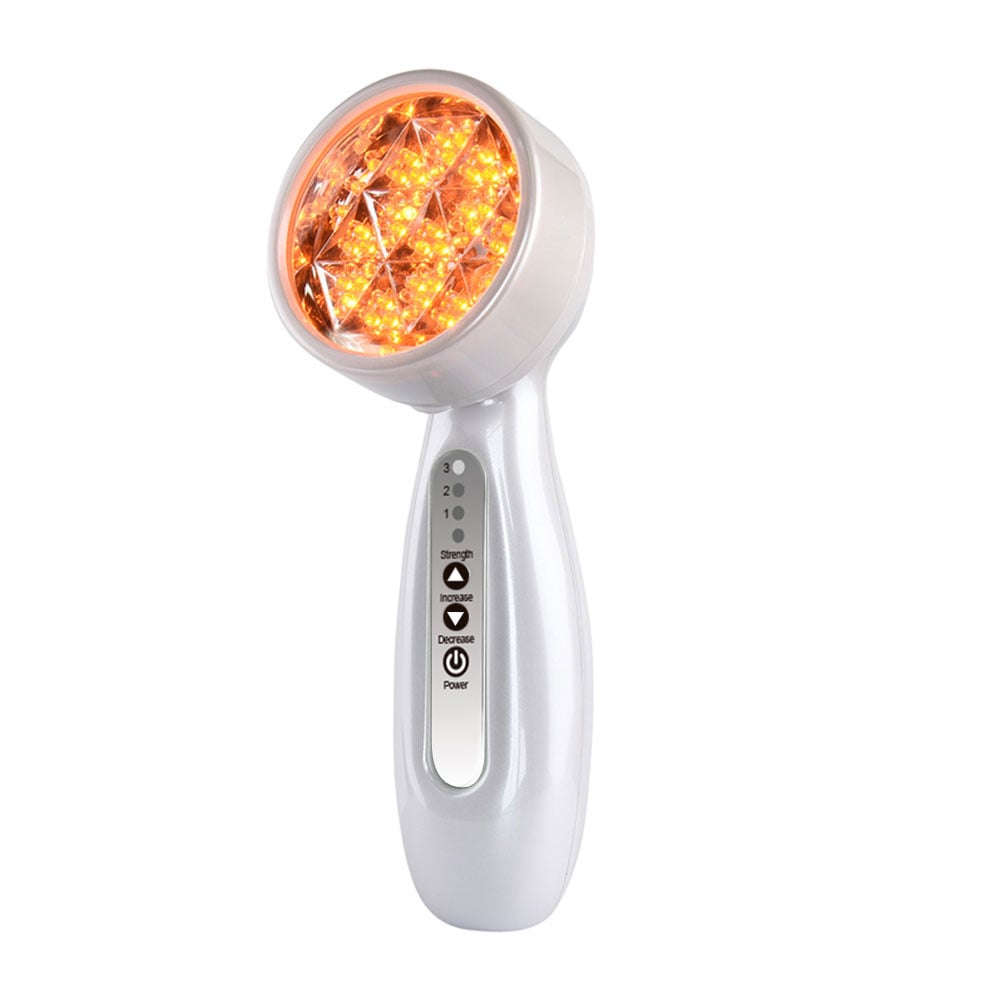
For a retailer, a face care device is not simply another beauty accessory. It is a product category that joins consumer expectations, electrical-product controls, claims review, merchandising, and service planning. The broad search market for face care is crowded with cleansers, serums, and routine advice; a useful retail assortment therefore needs a clearer answer to a practical question: which device can be sold responsibly, explained simply, and supported after purchase?
From an international brand-buyer perspective, the strongest starting point for face care sourcing is not a feature list. It is a disciplined match between a defined customer, a realistic use occasion, and evidence a retailer can keep on file. This guide helps retail teams evaluate that match before committing to samples or an initial order.
Define the job before comparing technologies. A face care assortment may aim to complement a topical routine, offer a compact at-home ritual, create a giftable entry price, or support a premium consultation-led category. Those roles lead to different decisions on format, instructions, packaging, demonstration, and replenishment potential.
Ask three questions at the start: Who is expected to buy the device? What problem does the shopper believe it solves? Can store staff or product-page content explain the intended use without overpromising? If the answer is vague, more functions will not fix the range plan. A narrow, well-explained face care proposition usually travels better across stores and channels than a complicated device with an unclear place in the routine.
Retail buyers should request a sample evaluation that follows the same sequence a customer will follow: unboxing, charging or powering on, reading directions, preparing the skin, using the controls, cleaning the unit, and storing it. This is where a face care device proves whether its design supports repeat use. A feature can sound attractive in a catalogue yet create friction when controls, attachments, or cleaning steps are not intuitive.
Automation is a useful example of trade-off thinking. An automatic setting may lower the entry barrier, while manual adjustment can give experienced users more control over areas of the face. Neither approach is automatically better. The better face care choice is the one that fits the buyer’s target customer and the level of support the retail channel can provide.
For retail face care, paperwork should be evaluated alongside the sample, not after the purchasing decision. Ask the supplier which documents apply to the model, the intended market, the power configuration, the packaging, and the proposed claims. Request current copies, identify the model covered, and establish who is responsible for keeping records updated when components or labels change.
Claims deserve the same discipline. U.S. FDA guidance distinguishes cosmetics from products marketed with claims such as treating or preventing disease or affecting the body’s structure or function. FTC guidance also emphasizes that health-related claims must be truthful, not misleading, and substantiated. Those points are not a substitute for legal advice, but they are a reason to involve compliance reviewers before a face care claim reaches a product page, shelf talker, influencer brief, or marketplace listing.
For U.S. import programs, documentation requirements can also change. The U.S. Consumer Product Safety Commission notes that importers of most regulated consumer products will be required to electronically file certificates of compliance beginning July 8, 2026. A face care retailer should confirm the applicability of this and other requirements with qualified compliance professionals and the importer of record for its specific product and market.
A low initial quote can obscure the cost of unclear instructions, inconsistent presentation, late artwork revisions, or slow corrective action. Retail face care buyers should compare the total operating picture: sample consistency, quality-control checkpoints, documentation responsiveness, packaging localization, private-label process, lead-time communication, and after-sales escalation.
For example, a technically acceptable device can still meet resistance in a European channel if packaging is not localized for the target customer’s expectations or the sustainability conversation of that market. Treat packaging, manuals, warning language, and on-pack claims as part of the face care product—not as last-minute artwork.
BEPERFECT’s confirmed merchant profile describes an OEM/ODM manufacturer focused on home beauty devices, home massage devices, and personal-care appliances, with support for brand-oriented development and quality-management processes. That makes a supplier discussion about customization, documentation, and quality consistency more relevant than a generic feature comparison. Retailers should nevertheless validate the evidence for the exact model, destination, and claim set they intend to sell.
Use a staged commitment when the category is new. A limited assortment or pilot can reveal whether shoppers understand the face care device, which questions recur, and whether packaging or content needs refinement. Capture customer-service questions from the first launch; they often show where setup videos, FAQs, and on-pack wording need improvement.
Budget should be assessed through lifetime value rather than unit price alone. A cheaper face care device may be less attractive if it needs heavy explanation, drives returns, or has weak documentation. A higher-cost option can be more rational when the user journey is clearer and the supplier can support a consistent brand presentation. The right decision is a commercial trade-off, not a race to the lowest quote.
A successful face care range does not depend on the longest specification sheet. It depends on a product-market fit that a retailer can explain, document, demonstrate, and support. When buyers combine sample testing with claims governance, model-level evidence, localized presentation, and a clear service plan, they can make a face care decision that is easier to defend internally and more useful to shoppers.
Before placing the order, return to the simplest test: would a customer understand what this face care device is for, how to use it, and where to seek help? If the answer is yes—and the supplier evidence supports the retail plan—the category has a much stronger foundation.

2026/10/30
Discover why in-house mold development helps an RF beauty device manufacturer improve product consistency, iteration speed, tooling control, and production readiness.

2026/10/30
Learn how to verify an RF beauty device manufacturer's R&D and prototyping capabilities using practical engineering workflows and audit checklists.

2026/10/30
Learn what shapes MOQ when choosing an RF beauty device manufacturer and how to plan a lower-risk first order with balanced platform and customization.

2026/10/30
Use this RF beauty device manufacturer evaluation checklist to compare safety evidence, OEM and ODM capability, quality control, and launch readiness.

2026/10/30
See how technology makes beauty at home more guided, consistent, and informed—plus a practical checklist for choosing devices wisely.

2026/10/30
Explore how AI and smart devices shape the future of beauty with responsive routines, clear guidance, trustworthy design, and user-controlled care.

Ideal for daily facial care routines, providing easy-to-use beauty solutions at home.

Perfect for spas and salons’ frequent treatments, enhancing client experiences and results.

Supports dermatologists with advanced devices for professional skin therapy sessions.

Delivers innovative solutions for full-body massage and relaxation with home devices.

Features anti-aging technologies to help reduce wrinkles and stimulate skin vitality.

Specialized devices for safe and effective hair removal suitable for home or clinic use.

Our customers love the Perfect Idea beauty devices. Quality, packaging, and results are all outstanding. We saw increased repeat sales after adding their facial cleansers to our lineup. Their support team is responsive and reliable.

Perfect Idea brings innovation and reliability to home beauty appliances. Our collaboration introduced their massage tools to Japanese women, boosting customer satisfaction and growing our brand trust across the region.

We partnered with Shenzhen Perfect Idea Tech for their beauty equipment. The shipping was fast and every product matched our expectations. Their home-use massagers are especially popular with local salons and home users.

The stylish packaging and attractive design make Perfect Idea stand out. French consumers appreciate the easy instructions and visible results. Communication was efficient and orders always arrived on time.

Perfect Idea home use personal care devices have become a favorite with our clients. The beauty device line offers quality at a reasonable price, and technical training for our staff made onboarding easy.

We selected Perfect Idea for our beauty product portfolio and have seen very positive feedback from our customers. Products are easy to market online and the customer support is reliable and helpful.
