 EN
Home Skincare
Ideal for daily facial care routines, providing easy-to-use beauty solutions at home.

2026/10/06
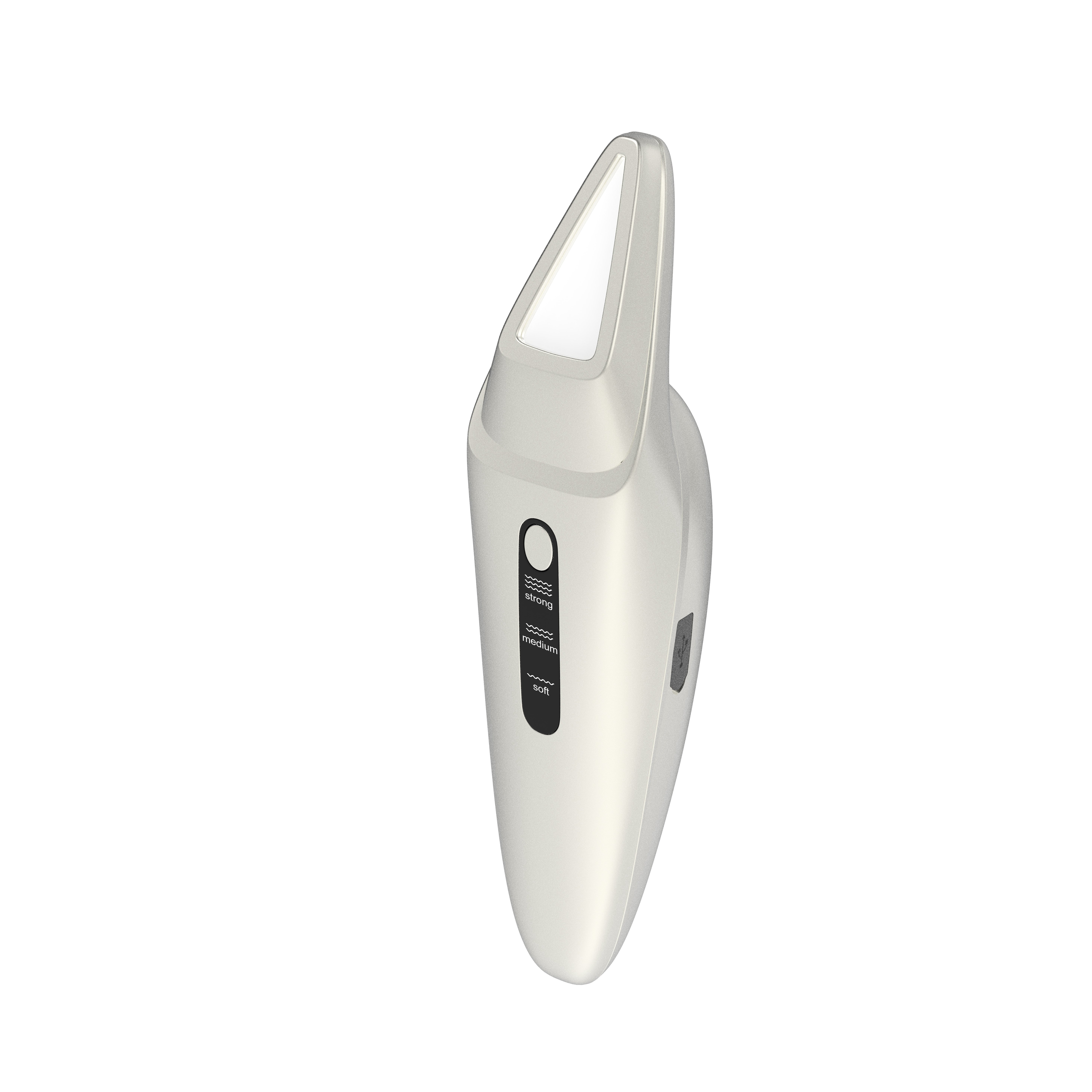
For a brand team, sourcing beauty tools is not just a matter of choosing an attractive device and adding a logo. The decision sets the product brief, the evidence behind product claims, the packaging workload, and the quality checks that must happen before launch. This guide is written from the practical viewpoint of an OEM/ODM brand-development manager: start with the buyer promise, then make each supplier decision traceable.
Consumer search results for beauty tools tend to focus on shopping lists. A private-label buyer has a different job. You need to decide whether a factory’s existing platform fits your market, what may be customized safely, and which documents or samples must be accepted before production begins.
“Beauty tools” can cover simple manual accessories, powered skincare devices, LED products, cleansing devices, massage devices, and other personal-care electronics. Those categories may look similar in a catalog, but they have very different supply-chain and compliance implications. Before requesting quotations, write a one-page brief that identifies the intended user, intended use, target countries, channel, price position, packaging language, and any claims the brand wants to make.
This is the point where many sourcing projects become expensive. If the brief says a product is for cosmetic appearance but marketing later implies treatment of a condition, the required review can change. Keep the product claim, user instructions, and market plan aligned. For electrical beauty tools, ask the supplier which test reports and technical files exist for the exact platform, then have the brand’s compliance adviser determine what applies to the finished branded product and destination market.
| Model | Best when | Buyer focus |
|---|---|---|
| Private label | You want a proven platform and faster branding work. | Logo, packaging, instructions, color options, and documented change control. |
| OEM | You have defined specifications and want the supplier to manufacture to them. | Drawings, bill of materials, acceptance criteria, ownership, and production consistency. |
| ODM | You need deeper differentiation in function, appearance, or user experience. | Development milestones, feasibility, tooling, validation, and intellectual-property terms. |
Private label is not automatically “off the shelf.” Even apparently modest changes to beauty tools—a new adapter, a revised housing color, translated instructions, or retail packaging—should be recorded in a change list. That protects both sides from assuming a sample represents a final production configuration.
Price is meaningful only after the scope is comparable. Use the same scorecard for every candidate for your beauty tools program. Score product-platform fit, customization depth, engineering response, quality-control process, documentation readiness, communication, lead-time assumptions, and after-sales support. Ask each supplier to state what is included, what requires tooling or a new test, and what cannot be changed without revalidation.
The confirmed merchant profile describes OEM and ODM support across home beauty devices, home massage devices, and personal-care appliances. Treat this as an opening for a capability discussion, not as a substitute for evaluating the specific beauty tools platform, documentation set, and production controls you plan to buy.
A sample is evidence, not a promise of mass-production consistency. Use at least three review gates for private-label beauty tools: an initial fit sample, a pre-production sample with final artwork and approved components, and a documented production-release standard. At each gate, capture photos, functional observations, packaging checks, labeling text, and pass/fail criteria. If a requirement is important enough to discuss in a meeting, it is important enough to place in the specification.
Make the acceptance sheet measurable where possible: approved dimensions or visual standards, operating checks, accessory completeness, packaging drop-test expectations where applicable, charging or power behavior, and instruction-language approval. Do not promise clinical performance unless you have the evidence and the appropriate review for the claim.
For EU sales, the party that has a product made and sells it under its own brand may be considered the manufacturer and bears responsibility for applicable product requirements and CE marking. Electrical and electronic beauty tools may also raise RoHS and end-of-life obligations such as WEEE, depending on the product and market. The right question for a supplier is not “Do you have a certificate?” but “Which exact configuration does this document cover, who issued it, and what changes would affect it?”
For US-facing products, do not equate registration or listing with approval, clearance, or authorization. Determine the intended use and regulatory pathway before packaging or advertising is finalized. This is especially important when a brand is tempted to make medical-sounding claims about beauty tools.
Your purchase agreement should connect the commercial terms to the approved specification. Clarify minimum order quantity, tooling ownership, spare parts, defect definitions, inspection rights, remedies, approved artwork, intellectual-property use, confidentiality, and change notification. Require notice before a supplier changes a critical component, process, factory location, or packaging material. For beauty tools, undocumented substitutions can affect fit, appearance, electrical behavior, or the relevance of existing test evidence.
A pilot order is a practical time to test the full workflow: artwork handoff, component sourcing, assembly, quality records, carton marking, instructions, and shipment documents. Compare the pilot against the approved pre-production sample and record any deviation before the next purchase order. This disciplined approach lets you scale beauty tools with fewer surprises than a price-led sourcing decision.
The strongest beauty tools sourcing program is not built on the longest factory presentation. It is built on a clear brief, a comparable scorecard, evidence at every sample gate, and shared written controls. That is how a private-label concept becomes a repeatable product program.

2026/10/30
Discover why in-house mold development helps an RF beauty device manufacturer improve product consistency, iteration speed, tooling control, and production readiness.

2026/10/30
Learn how to verify an RF beauty device manufacturer's R&D and prototyping capabilities using practical engineering workflows and audit checklists.

2026/10/30
Learn what shapes MOQ when choosing an RF beauty device manufacturer and how to plan a lower-risk first order with balanced platform and customization.

2026/10/30
Use this RF beauty device manufacturer evaluation checklist to compare safety evidence, OEM and ODM capability, quality control, and launch readiness.

2026/10/30
See how technology makes beauty at home more guided, consistent, and informed—plus a practical checklist for choosing devices wisely.

2026/10/30
Explore how AI and smart devices shape the future of beauty with responsive routines, clear guidance, trustworthy design, and user-controlled care.

Ideal for daily facial care routines, providing easy-to-use beauty solutions at home.

Perfect for spas and salons’ frequent treatments, enhancing client experiences and results.

Supports dermatologists with advanced devices for professional skin therapy sessions.

Delivers innovative solutions for full-body massage and relaxation with home devices.

Features anti-aging technologies to help reduce wrinkles and stimulate skin vitality.

Specialized devices for safe and effective hair removal suitable for home or clinic use.

Our customers love the Perfect Idea beauty devices. Quality, packaging, and results are all outstanding. We saw increased repeat sales after adding their facial cleansers to our lineup. Their support team is responsive and reliable.

Perfect Idea brings innovation and reliability to home beauty appliances. Our collaboration introduced their massage tools to Japanese women, boosting customer satisfaction and growing our brand trust across the region.

We partnered with Shenzhen Perfect Idea Tech for their beauty equipment. The shipping was fast and every product matched our expectations. Their home-use massagers are especially popular with local salons and home users.

The stylish packaging and attractive design make Perfect Idea stand out. French consumers appreciate the easy instructions and visible results. Communication was efficient and orders always arrived on time.

Perfect Idea home use personal care devices have become a favorite with our clients. The beauty device line offers quality at a reasonable price, and technical training for our staff made onboarding easy.

We selected Perfect Idea for our beauty product portfolio and have seen very positive feedback from our customers. Products are easy to market online and the customer support is reliable and helpful.
