 EN
Home Skincare
Ideal for daily facial care routines, providing easy-to-use beauty solutions at home.

2026/09/21
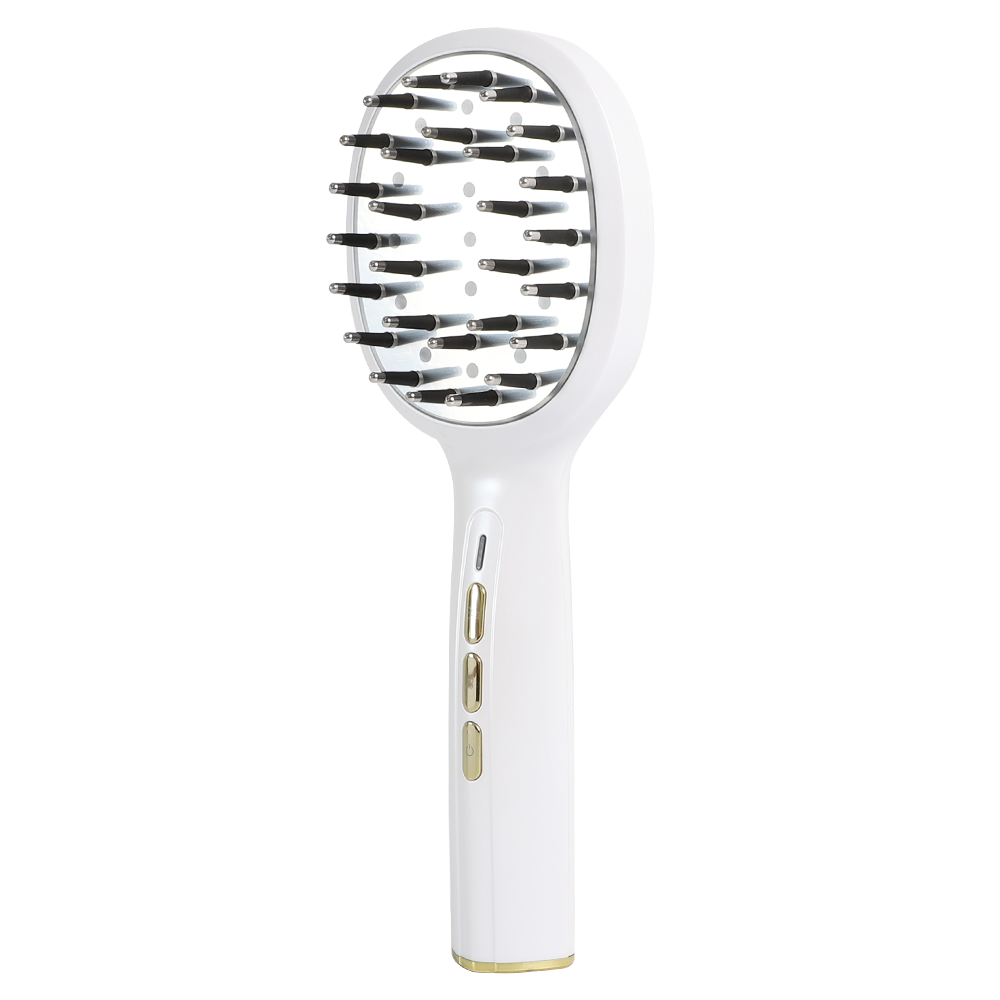
Clinics looking to purchase an LED hair growth cap device should evaluate more than appearance, LED quantity, or simple marketing claims. Professional procurement requires attention to technical specifications, scalp coverage, user comfort, safety documentation, manufacturing quality, and after-sales support.
Light-based devices have attracted growing interest in hair-care applications, including androgenetic alopecia. However, different devices can vary in wavelength, light-source design, treatment area, operating protocol, and supporting evidence. For this reason, clinics should assess each product individually rather than assuming that all LED caps provide the same technology or results.
A structured procurement process helps clinics identify an LED hair growth cap device that is suitable for the intended market, user group, and business model while keeping product communication accurate and responsible.
The first step in choosing an LED hair growth cap device is to understand how the product will be used. A clinic may use a device for patient education, recommend it for home use, include it in a broader hair-care program, or purchase it for private-label distribution.
Before comparing models, procurement teams should review the manufacturer's intended use, target users, operating instructions, contraindications, and regulatory information. These details help determine whether the product fits the clinic's planned application.
Clinics should also distinguish androgenetic alopecia from other causes of hair loss. A wearable light-based device should not be presented as a universal solution for every type of hair loss. Appropriate diagnosis and professional guidance remain important when developing a patient treatment plan.
Technical specifications are essential when comparing an LED hair growth cap device. Instead of relying on terms such as “advanced red light” or “professional LED technology,” buyers should request detailed information about the actual device.
Important specifications may include wavelength, LED type, emitter arrangement, treatment area, session duration, operating modes, power supply, battery configuration, and controller design.
It is also important to distinguish LED technology from laser technology. Although both can be used in light-based applications, they are different technologies and should not be treated as interchangeable.
A clear specification sheet allows clinics and distributors to compare products using consistent criteria. It also gives medical reviewers and compliance teams the information they need to assess whether the product claims are appropriate for the target market.
Scalp coverage is another important consideration. An LED hair growth cap device should provide enough information for buyers to understand where its light sources are positioned and which scalp areas the product is designed to address.
Procurement teams can review the emitter layout, cap structure, positioning system, and intended treatment area. The cap should also remain reasonably stable during use so that users can follow the manufacturer's instructions consistently.
Comfort is equally important for a wearable device. Weight, head-size adjustment, internal materials, ventilation, battery placement, and cable design can influence the overall user experience.
These features do not independently prove treatment effectiveness, but they can affect whether users are willing and able to incorporate an LED hair growth cap device into a regular routine.
A well-designed LED hair growth cap device should have controls that are easy for the intended user to understand. Depending on the model, useful functions may include a treatment timer, automatic shutoff, session indicator, battery display, or simple controller.
Clinics should check whether the operating procedure is clearly explained in the user manual. If patients will use the device at home, straightforward instructions become especially important.
More features do not necessarily mean a better product. Instead, buyers should consider whether the controls support the manufacturer's stated operating protocol without adding unnecessary complexity.
Cleaning and storage instructions should also be reviewed. Because the device may come into regular contact with the hair and scalp, clinics should understand the recommended care procedures and incorporate them into their own patient guidance when appropriate.
Safety and regulatory documentation should be a key part of the procurement process. Clinics should request documents for the exact model being purchased rather than relying only on general certification statements from a supplier.
Depending on the destination market and product classification, relevant documentation may include test reports, declarations, certification documents, labeling information, user manuals, and regulatory records where applicable.
For example, some red-light hair-growth caps have been submitted to the U.S. FDA under specific device classifications and intended-use descriptions. However, the regulatory status of one product does not automatically apply to another model.
For this reason, clinics should verify the documentation for the specific LED hair growth cap device they intend to purchase. Product claims should also remain consistent with the available evidence and regulatory status.
For clinics, distributors, and private-label brands, the manufacturer's capabilities can be just as important as the product itself. A suitable supplier should ideally support product development, customization, quality control, packaging, documentation, and after-sales service.
BEPerfect presents itself as a home beauty device OEM/ODM manufacturer and describes capabilities covering appearance design, structural design, functional development, prototype confirmation, mold processing, trial production, mass production, quality control, packaging, warehousing, transportation, and after-sales service.
The company's product range also includes scalp-care and light-therapy-related beauty devices. For buyers looking for an LED hair growth cap device, this type of integrated manufacturing process can simplify communication between product development, production, and branding teams.
However, manufacturing experience should not replace model-specific technical and compliance verification. Buyers should still review the exact product specifications and available documentation before placing an order.
When purchasing multiple devices, production consistency is an important consideration. Clinics should ask how the manufacturer manages materials, production inspections, final inspection, and quality checks.
BEPerfect describes quality-control procedures that include supply-chain management, material inspection, in-process inspection, AQL final product inspection, and final product quality checks. The company also describes pre-production sample confirmation before mass production.
For procurement teams, it is useful to ask about sample approval, component specifications, inspection standards, packaging checks, batch management, and procedures for handling defective products.
These factors become particularly relevant when a clinic moves from a small trial order to larger purchases or multi-location deployment.
Clinics and distributors may require more than an off-the-shelf LED hair growth cap device. Branding, packaging, manuals, accessories, language versions, and product appearance may need to be adapted for different markets.
An OEM/ODM manufacturer can potentially support these requirements. BEPerfect describes customized product development from initial design through prototype confirmation and mass production.
However, customization should be planned carefully. Changes to optical components, electrical systems, treatment controls, or other core functions may affect testing and compliance requirements. Buyers should therefore distinguish between simple branding changes and modifications that could require additional technical evaluation.
Before ordering an LED hair growth cap device, clinics can use a simple supplier checklist.
Confirm the exact product model and intended use first. Then review wavelength, LED configuration, scalp coverage, treatment instructions, controls, power system, comfort, and cleaning requirements.
Next, request model-specific safety, testing, and regulatory documentation for the target market. Private-label buyers should also clarify which documents can be supplied for the final branded product.
Finally, evaluate minimum order quantities, production capacity, lead times, packaging, warranty terms, replacement parts, customization options, and after-sales support.
Using the same checklist for different suppliers makes the procurement process easier to compare and reduces the risk of making a decision based mainly on promotional claims.
Choosing an LED hair growth cap device should be considered alongside patient assessment and professional communication. Hair loss can have different causes, and a device designed for one application should not automatically be positioned as appropriate for every patient.
Clinics should provide clear information about intended use, operating procedures, limitations, and available safety guidance. They should also avoid promising guaranteed outcomes.
For professional buyers, the most useful approach is to evaluate the complete product system: technology, usability, documentation, manufacturing quality, customization, and supplier support.
A well-structured procurement process helps clinics select an LED hair growth cap device based on verifiable product information rather than marketing language. For brands and distributors, working with an experienced OEM/ODM manufacturer can also provide greater flexibility when developing customized products for different markets.

2026/10/30
Discover why in-house mold development helps an RF beauty device manufacturer improve product consistency, iteration speed, tooling control, and production readiness.

2026/10/30
Learn how to verify an RF beauty device manufacturer's R&D and prototyping capabilities using practical engineering workflows and audit checklists.

2026/10/30
Learn what shapes MOQ when choosing an RF beauty device manufacturer and how to plan a lower-risk first order with balanced platform and customization.

2026/10/30
Use this RF beauty device manufacturer evaluation checklist to compare safety evidence, OEM and ODM capability, quality control, and launch readiness.

2026/10/30
See how technology makes beauty at home more guided, consistent, and informed—plus a practical checklist for choosing devices wisely.

2026/10/30
Explore how AI and smart devices shape the future of beauty with responsive routines, clear guidance, trustworthy design, and user-controlled care.

Ideal for daily facial care routines, providing easy-to-use beauty solutions at home.

Perfect for spas and salons’ frequent treatments, enhancing client experiences and results.

Supports dermatologists with advanced devices for professional skin therapy sessions.

Delivers innovative solutions for full-body massage and relaxation with home devices.

Features anti-aging technologies to help reduce wrinkles and stimulate skin vitality.

Specialized devices for safe and effective hair removal suitable for home or clinic use.

Our customers love the Perfect Idea beauty devices. Quality, packaging, and results are all outstanding. We saw increased repeat sales after adding their facial cleansers to our lineup. Their support team is responsive and reliable.

Perfect Idea brings innovation and reliability to home beauty appliances. Our collaboration introduced their massage tools to Japanese women, boosting customer satisfaction and growing our brand trust across the region.

We partnered with Shenzhen Perfect Idea Tech for their beauty equipment. The shipping was fast and every product matched our expectations. Their home-use massagers are especially popular with local salons and home users.

The stylish packaging and attractive design make Perfect Idea stand out. French consumers appreciate the easy instructions and visible results. Communication was efficient and orders always arrived on time.

Perfect Idea home use personal care devices have become a favorite with our clients. The beauty device line offers quality at a reasonable price, and technical training for our staff made onboarding easy.

We selected Perfect Idea for our beauty product portfolio and have seen very positive feedback from our customers. Products are easy to market online and the customer support is reliable and helpful.
