 EN
Home Skincare
Ideal for daily facial care routines, providing easy-to-use beauty solutions at home.

2026/09/30
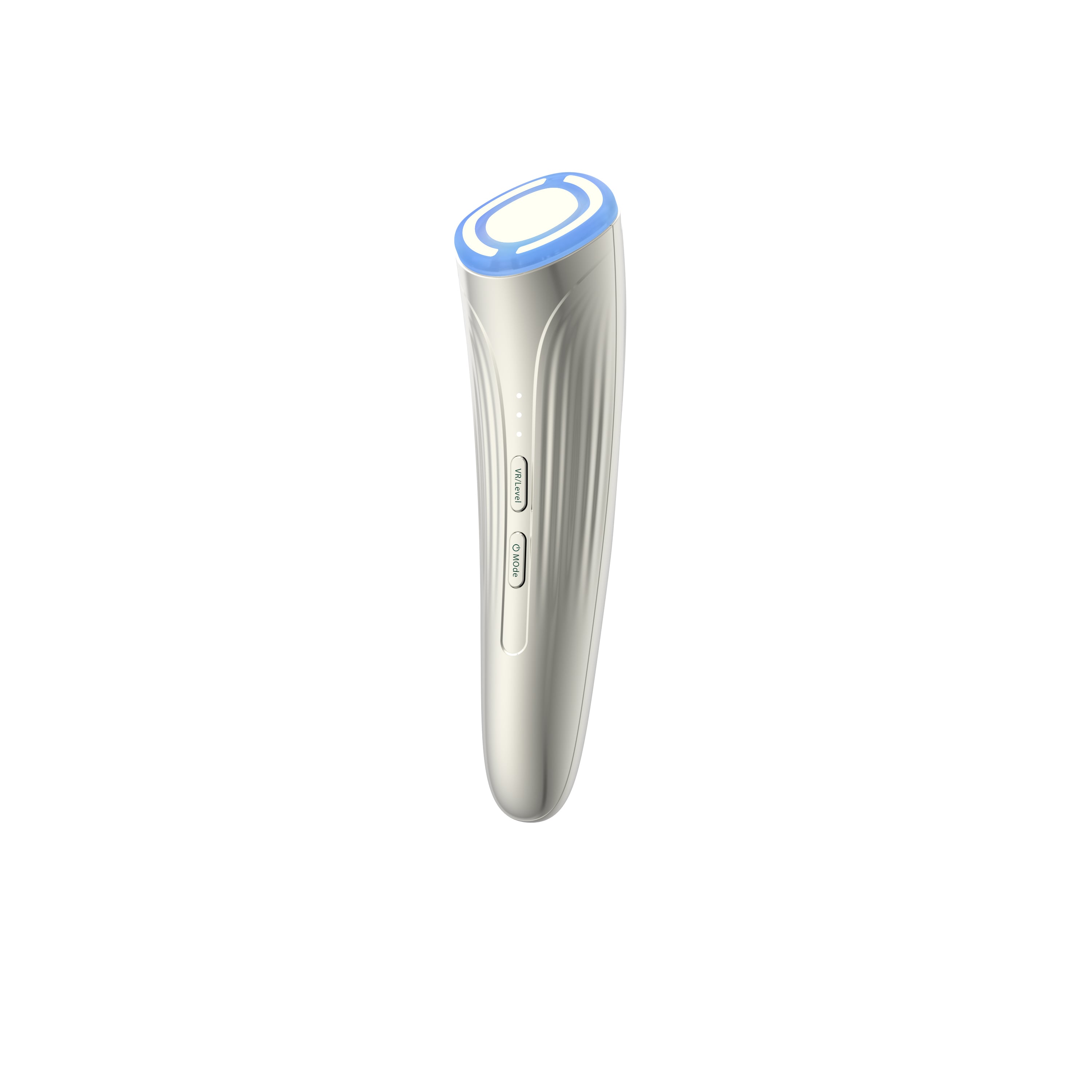
For a beauty retailer, a handheld facial device is not a single product type. It is a compact electrical product, a skincare proposition, a returns risk, and a brand-positioning decision in one box. The strongest assortment is rarely the one with the longest feature list. It is the one whose technology, claims, instructions, packaging, and supplier controls work together.
As a sourcing advisor for home beauty devices, I start with the retail use case rather than a fashionable function. A handheld facial device should have a clear consumer job, a credible operating routine, and evidence a retail team can evaluate before committing to an order. This guide turns that approach into a practical buying workflow.
Search results for a handheld facial device often group together microcurrent tools, LED products, high-frequency wands, cleansing tools, and ultrasonic devices. That variety is useful, but it also creates a sourcing trap: a vague brief encourages suppliers to offer unrelated functions under the same name.
Write a one-sentence consumer job before requesting quotations. For example: “a compact tool for a short evening skincare routine” is different from “a visibly premium accessory for a treatment-led bundle.” Then decide whether your customer needs a device for cleansing support, product-application support, a light-based routine, or a gentle current-based routine. A category can be commercially attractive without being right for your customer promise.
That last point matters. The FDA notes that an aesthetic device may be regulated based on its intended use and whether it affects the structure or function of the body. Retailers should therefore have claims reviewed for each sales region instead of copying broad marketplace wording.
A useful handheld facial device range does not need every technology. It needs a small number of understandable choices with distinct routines. For a first range, compare technology by the customer experience it creates, not by a supplier’s headline claim.
| Technology lane | Retail question to ask | Sampling focus |
|---|---|---|
| LED or light-based care | Are wavelengths, eye protection, treatment time, and intended-use language documented clearly? | Comfort, timer behavior, charging, fit, and instruction clarity. |
| Microcurrent-style tools | What conductive medium and contraindication guidance are required for the proposed routine? | Output consistency, contact feedback, ergonomic grip, and user guidance. |
| Warm/cool or vibration tools | Can the customer understand the benefit without medical-sounding language? | Temperature stability, surface feel, battery run time, and cleaning steps. |
| Ultrasonic or cleansing tools | Does the routine fit existing cleanser or serum sales? | Water resistance, head durability, noise, and maintenance instructions. |
Do not treat a specification sheet as proof of a retail-ready experience. A feature can be technically present yet hard to use, difficult to explain, or mismatched to local plug, language, and label requirements. If your customer has sensitive skin or a complex routine, clearer limits and a slower onboarding sequence are often more valuable than another operating mode.
Price comparisons become meaningful only after suppliers answer the same evidence request. Send one brief that lists the target market, technology lane, packaging language, planned claims, order quantity, and required documents. Ask for document versions and dates, not a verbal assurance that a certificate exists.
For products that fall within medical-device requirements, FDA’s Quality Management System Regulation incorporates ISO 13485:2016. That does not make every beauty tool a medical device or make a certificate sufficient on its own. It does show why documented quality controls, change management, and traceability deserve attention when your intended use requires them.
Request samples from the production-intent configuration, not only a polished showroom sample. Photograph the received unit, record firmware or model identifiers, and keep the carton, manual, cable, and label together. During testing, run the same simple protocol on every candidate: charge it fully, complete several timed sessions, clean it as instructed, inspect seams and buttons, and repeat after transport or drop checks appropriate to your internal policy.
Many buyers initially assume a higher price means a better result. In practice, the more useful question is whether the handheld facial device performs consistently after repeated charging, cleaning, handling, and customer use. Note the awkward moments: a vague indicator light, a loose cap, an unclear warning, or a treatment head that is difficult to wipe. Those details often predict reviews and returns better than a presentation deck.
Before artwork approval, create a claims matrix. Put every package statement, listing bullet, instruction phrase, image caption, and influencer brief in one column. In the next columns, state its evidence, market owner, and whether legal or regulatory review is needed. Remove words that turn a cosmetic-support message into a diagnosis, treatment promise, or assured outcome.
Packaging should also answer operational questions: What is included? How is the device charged? Which products may be used with it? Who should not use it without professional advice? Where can the customer find the warranty process? Clear instructions protect the retailer as well as the end user.
A sensible launch begins with a controlled purchase order, approved golden sample, inspection plan, and written acceptance criteria. Match the order size to your ability to collect real feedback. Track not only sell-through, but also return reasons, usage confusion, charging issues, packaging damage, and the questions customer service receives most often.
BEPERFECT’s merchant profile describes a 14-year home beauty device factory serving global brand owners and offering LED, ultrasonic, and cold-hot skincare instruments alongside OEM/ODM support. That breadth can help a retailer compare adjacent formats with one supplier conversation. Still, every model should be validated against its own evidence, sample, market, and claims plan; a factory profile is not a substitute for product-specific verification.
The right handheld facial device is one your retail team can merchandise honestly and your customers can use with confidence. Treat sourcing as a repeatable verification process, and you will make stronger decisions on technology, supplier fit, and long-term range planning.

2026/10/30
Discover why in-house mold development helps an RF beauty device manufacturer improve product consistency, iteration speed, tooling control, and production readiness.

2026/10/30
Learn how to verify an RF beauty device manufacturer's R&D and prototyping capabilities using practical engineering workflows and audit checklists.

2026/10/30
Learn what shapes MOQ when choosing an RF beauty device manufacturer and how to plan a lower-risk first order with balanced platform and customization.

2026/10/30
Use this RF beauty device manufacturer evaluation checklist to compare safety evidence, OEM and ODM capability, quality control, and launch readiness.

2026/10/30
See how technology makes beauty at home more guided, consistent, and informed—plus a practical checklist for choosing devices wisely.

2026/10/30
Explore how AI and smart devices shape the future of beauty with responsive routines, clear guidance, trustworthy design, and user-controlled care.

Ideal for daily facial care routines, providing easy-to-use beauty solutions at home.

Perfect for spas and salons’ frequent treatments, enhancing client experiences and results.

Supports dermatologists with advanced devices for professional skin therapy sessions.

Delivers innovative solutions for full-body massage and relaxation with home devices.

Features anti-aging technologies to help reduce wrinkles and stimulate skin vitality.

Specialized devices for safe and effective hair removal suitable for home or clinic use.

Our customers love the Perfect Idea beauty devices. Quality, packaging, and results are all outstanding. We saw increased repeat sales after adding their facial cleansers to our lineup. Their support team is responsive and reliable.

Perfect Idea brings innovation and reliability to home beauty appliances. Our collaboration introduced their massage tools to Japanese women, boosting customer satisfaction and growing our brand trust across the region.

We partnered with Shenzhen Perfect Idea Tech for their beauty equipment. The shipping was fast and every product matched our expectations. Their home-use massagers are especially popular with local salons and home users.

The stylish packaging and attractive design make Perfect Idea stand out. French consumers appreciate the easy instructions and visible results. Communication was efficient and orders always arrived on time.

Perfect Idea home use personal care devices have become a favorite with our clients. The beauty device line offers quality at a reasonable price, and technical training for our staff made onboarding easy.

We selected Perfect Idea for our beauty product portfolio and have seen very positive feedback from our customers. Products are easy to market online and the customer support is reliable and helpful.
