 EN
Home Skincare
Ideal for daily facial care routines, providing easy-to-use beauty solutions at home.

2026/10/07
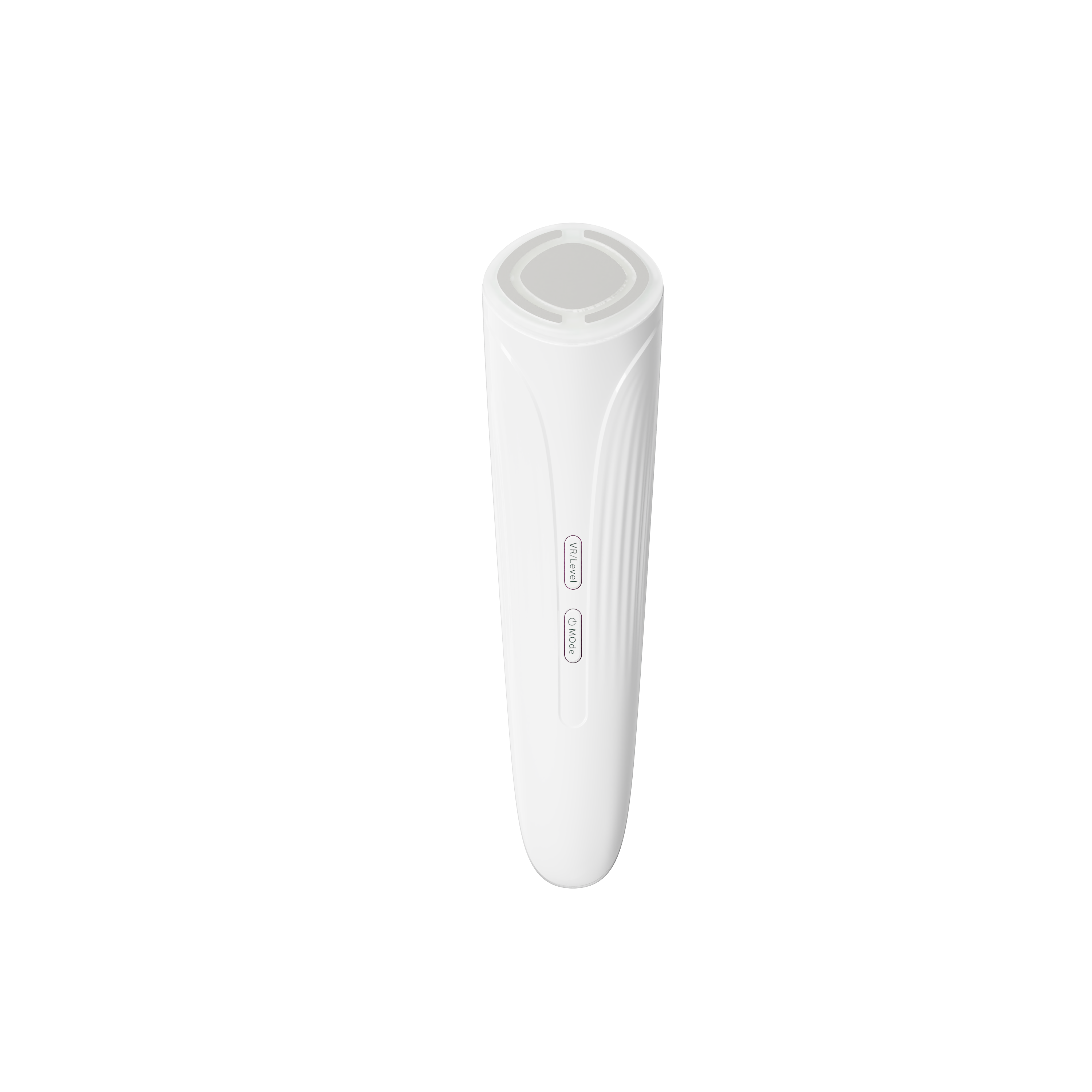
Home tools can make a routine feel more intentional, but the device is only half the decision. The beauty products you apply before, during, and after a session affect slip, comfort, cleanup, and how well you can repeat the routine. The useful question is not “What is the strongest formula?” It is “What does this device need from the skin at this moment?”
As someone who evaluates home-care routines from a practical user perspective, I start with a simple rule: pair beauty products to the device’s contact method, then keep the routine calm enough to use consistently. A hydrating serum may suit one step; a conductive medium may be essential for another; an exfoliating formula may be better saved for a different night.
Sort your beauty products after you identify whether the tool uses light, gliding contact, cleansing movement, or gentle warming. Read the device manual first, especially its guidance on compatible formulas, session length, eye protection, cleaning, and ingredients to avoid. That instruction takes priority over any general routine advice.
This device-first method narrows the field. Instead of rotating every active formula through every tool, you give each category of beauty products a specific job: prepare, provide slip, replenish, or rest.
Before most home devices, use mild cleansing beauty products and dry or lightly damp skin as the manual directs. Avoid stacking a scrub, strong peel, or several new actives before a session. The American Academy of Dermatology notes that exfoliating while using retinoid, retinol, or benzoyl peroxide products can worsen dryness or trigger breakouts. That makes this a good night to choose a bland cleanser and postpone more intensive beauty products.
During a glide-based treatment, beauty products should create even contact without rolling into flakes. A fragrance-free, water-based conductive gel is often the logical choice for a microcurrent device when its instructions call for one. For a manual facial massage, a lightweight lotion or facial oil can reduce friction if the tool permits it. With light-based tools, a suitable pairing may be no beauty products at all during the session. Clean, bare skin is not a lesser routine; it is a purposeful pairing.
Afterward, reach for uncomplicated beauty products that help the skin feel comfortable: a humectant serum, a simple moisturizer, and daytime sunscreen where relevant. If your skin is reactive, introduce only one change at a time. The goal is not to claim that a device drives every ingredient deeper; it is to avoid turning a routine into a guessing game when sensitivity appears.
| Routine goal | Helpful beauty products | Use extra caution with |
|---|---|---|
| Dry, tight-feeling skin | Gentle cleanser, hydrating serum, barrier-supporting moisturizer | Scrubs and high-strength acids on the same night |
| Temporary puffiness before an event | Lightweight gel that provides slip for a permitted massage tool | Overworking one area or using a tool on irritated skin |
| Texture-focused routine | Simple hydrators after a gentle device session | Combining device friction with aggressive exfoliating beauty products |
| Light-session routine | Clean skin followed by a straightforward moisturizer | Unapproved layers and ignoring eye-safety instructions |
Many people assume more functions call for more beauty products. In practice, the more reliable approach is often the opposite: match one compatible texture to the tool, then leave the rest of the routine familiar. If a product pills, stings, or makes a device drag, stop and simplify rather than forcing the combination.
A workable schedule separates “treatment” evenings from “active-ingredient” evenings. For example, use approved beauty products with a home device on one night, then reserve retinoid or exfoliating beauty products for another night if your skin tolerates them. If there is notable redness, inflammation, a sunburn, open skin, or a new reaction, pause. The American Academy of Dermatology advises people with substantial redness or inflammation to avoid retinoids and consult a dermatologist about alternatives; the same cautious mindset is sensible before adding a device.
Keep a small routine note for two weeks: the device, the beauty products used, session length, and how your skin felt the next morning. This is more useful than changing five beauty products at once. It also helps you see whether dryness follows a formula, too much friction, or simply using the tool more often than your skin prefers.
Suitable beauty products for a home skincare device are the ones that respect the device’s instructions and your skin’s current tolerance. Build from gentle preparation, the right in-session texture, and simple aftercare. By treating beauty products as compatible partners rather than extra steps to pile on, you can make a home routine easier to repeat, easier to troubleshoot, and more comfortable over time.

2026/10/30
Discover why in-house mold development helps an RF beauty device manufacturer improve product consistency, iteration speed, tooling control, and production readiness.

2026/10/30
Learn how to verify an RF beauty device manufacturer's R&D and prototyping capabilities using practical engineering workflows and audit checklists.

2026/10/30
Learn what shapes MOQ when choosing an RF beauty device manufacturer and how to plan a lower-risk first order with balanced platform and customization.

2026/10/30
Use this RF beauty device manufacturer evaluation checklist to compare safety evidence, OEM and ODM capability, quality control, and launch readiness.

2026/10/30
See how technology makes beauty at home more guided, consistent, and informed—plus a practical checklist for choosing devices wisely.

2026/10/30
Explore how AI and smart devices shape the future of beauty with responsive routines, clear guidance, trustworthy design, and user-controlled care.

Ideal for daily facial care routines, providing easy-to-use beauty solutions at home.

Perfect for spas and salons’ frequent treatments, enhancing client experiences and results.

Supports dermatologists with advanced devices for professional skin therapy sessions.

Delivers innovative solutions for full-body massage and relaxation with home devices.

Features anti-aging technologies to help reduce wrinkles and stimulate skin vitality.

Specialized devices for safe and effective hair removal suitable for home or clinic use.

Our customers love the Perfect Idea beauty devices. Quality, packaging, and results are all outstanding. We saw increased repeat sales after adding their facial cleansers to our lineup. Their support team is responsive and reliable.

Perfect Idea brings innovation and reliability to home beauty appliances. Our collaboration introduced their massage tools to Japanese women, boosting customer satisfaction and growing our brand trust across the region.

We partnered with Shenzhen Perfect Idea Tech for their beauty equipment. The shipping was fast and every product matched our expectations. Their home-use massagers are especially popular with local salons and home users.

The stylish packaging and attractive design make Perfect Idea stand out. French consumers appreciate the easy instructions and visible results. Communication was efficient and orders always arrived on time.

Perfect Idea home use personal care devices have become a favorite with our clients. The beauty device line offers quality at a reasonable price, and technical training for our staff made onboarding easy.

We selected Perfect Idea for our beauty product portfolio and have seen very positive feedback from our customers. Products are easy to market online and the customer support is reliable and helpful.
