 EN
Home Skincare
Ideal for daily facial care routines, providing easy-to-use beauty solutions at home.

2026/10/05
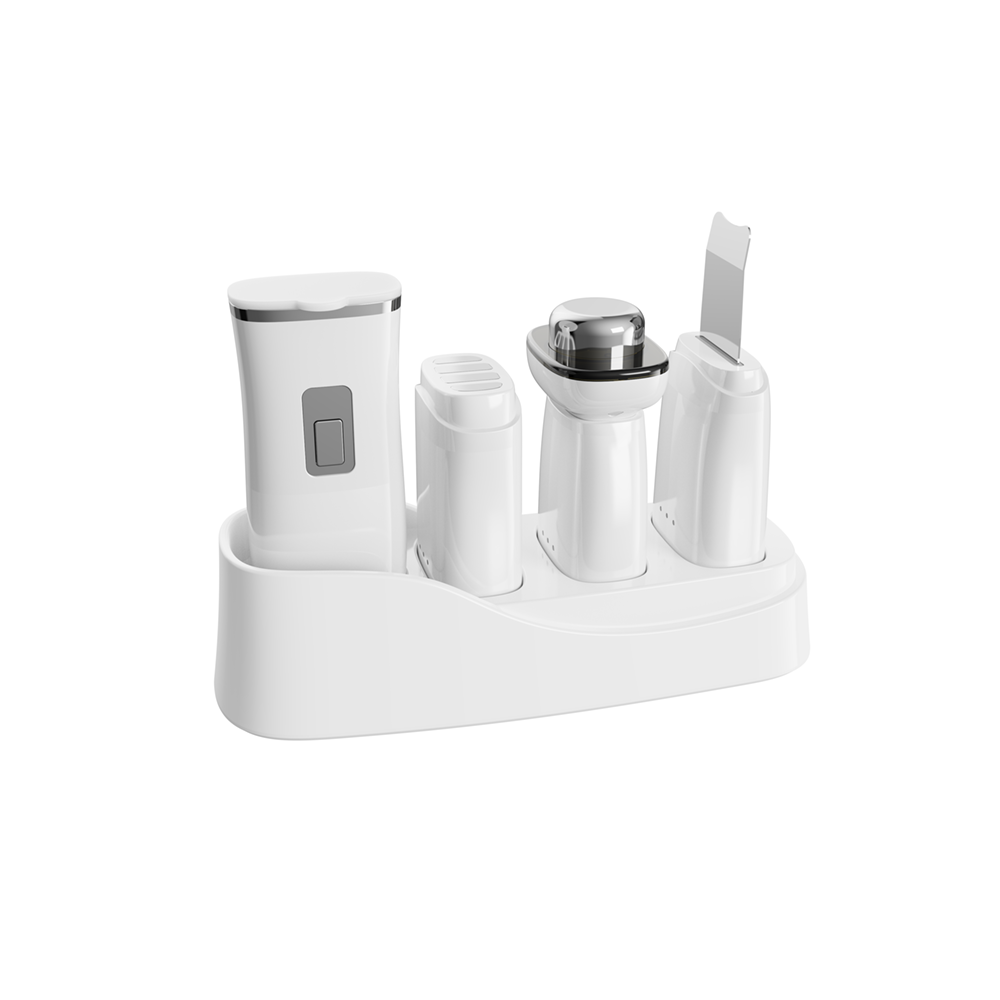
Buying a beauty device for distribution is not the same as choosing a consumer gadget. You are deciding which claims, documents, packaging, service model, and production controls your company can stand behind after the first shipment leaves the factory. For importers and distributors, a workable beauty device range must fit the target customer, the target market, and the operating capacity of the business that will sell it.
From an international buyer’s perspective, the soundest starting point is rarely the lowest quote or the longest feature list. A beauty device should earn a place in the range because its intended use is clear, its technical file is organized, and the supplier can reproduce the approved sample at scale. This guide gives you a practical way to make that decision.
Before comparing factories, write a one-page product brief for every proposed beauty device. Define the user, sales channel, price position, expected claims, plug and language versions, and whether the item is for home, salon, or professional use. This simple discipline prevents a common mistake: treating a retail trend as proof that a product fits your distribution model.
For example, an aesthetic device sold through trained practitioners may need a very different training and support plan from an app-controlled home-use unit. A clinical beauty device also creates a different expectation around evidence and claims. Ask whether the product will be presented as cosmetic care, wellness equipment, or something whose intended use could trigger a medical-device assessment in the destination market. The answer shapes your compliance work, labeling, and commercial language.
Do not begin with “Which beauty device is trending?” Begin with “Which buyer problem can we serve responsibly?” A narrow category plan often performs better than a catalog of unrelated tools because distributors can train their teams, forecast demand, and explain the offer consistently.
A beauty device portfolio may include LED light tools, microcurrent tools, RF-based skincare tools, ultrasonic instruments, cold-hot care tools, or body-focused equipment. Each technology changes the buyer journey. What matters is not a dramatic claim; it is whether the treatment concept, usage routine, contraindication language, consumables, and price point are coherent for your chosen channel.
| Evaluation area | Questions for importers and distributors |
|---|---|
| User routine | Can the customer understand how often and how long to use the beauty device? |
| Feature set | Which functions will be used, and which only add cost, support burden, or claim risk? |
| Power and localization | Are plugs, adapters, instructions, packaging, and warnings appropriate for each market? |
| Serviceability | Can your team manage warranty intake, troubleshooting, spare parts, and replacement rules? |
Many first-time buyers assume more modes mean a better beauty device. In practice, a smaller set of understandable functions can be easier to merchandise and support. That is especially true when building a commercial beauty equipment program for several resellers. Test whether each feature translates into a clear product story without stretching what the product can legitimately promise.
Regulatory status depends on intended use, claims, technology, and market; it cannot be inferred from a product photo or a supplier’s marketing sheet. In the United States, FDA materials explain that device classification and any required premarket pathway depend on the product and whether it is exempt. In the European Union, importers of products covered by the MDR have defined economic-operator responsibilities. Treat these as signals to obtain qualified local advice, not as a shortcut to a compliance conclusion.
For every shortlisted beauty device, ask for a document index before you order samples. It should identify applicable test reports, declarations, labeling versions, instructions, traceability records, and the party responsible for complaints and corrective actions. If a supplier uses phrases such as “FDA cleared beauty device,” ask exactly which product configuration and claim set that statement refers to. Do not carry a broad claim from one model to another.
This is where a promising bulk beauty equipment purchase can either become a reliable program or a costly warehouse problem. Certification papers alone are not enough; they must correspond to the actual model, factory, accessories, and intended market.
A good sample proves that a factory can make one acceptable beauty device. It does not prove that the same result will arrive across production batches. Request a written specification, approved golden sample, bill of materials or controlled component summary, incoming inspection approach, functional test points, packaging specification, and final inspection plan. Then agree what happens if a production unit differs from the approved reference.
Ask the supplier to walk you through change control. If LEDs, batteries, chargers, plastics, firmware, or packaging change, who approves the change and how is the buyer notified? This question is often more revealing than a factory presentation. For a distributor, consistency protects retailer trust and reduces the cost of warranty handling.
Also test the people around the beauty device: response speed, technical clarity, artwork review, instruction translation support, and replacement-part availability. OEM and ODM capability can be valuable when it is paired with a realistic development schedule and clear ownership of artwork, tooling, and validation. It is less valuable when “customization” means only adding a logo to an unverified standard item.
Order samples that reflect the actual configuration you intend to sell: final plug, charger, color, packaging, manual, and accessories. Create a scorecard for the beauty device that covers build quality, heat or comfort behavior where relevant, controls, battery or power performance, packaging damage resistance, and instruction clarity. Include people who will sell, support, and unbox the product, not only the purchasing team.
Then run a controlled pilot. A distributor can learn more from a limited release with structured feedback than from a broad launch based on a sample review. Record the questions sales teams receive, the steps customers misunderstand, and the reasons for returns. Those findings may lead you to simplify the product mix, revise training, or choose another beauty device category.
The unit quote is only one line in the business case. Model freight, duties, product registration or testing work where applicable, labeling, local storage, sales materials, marketplace fees, warranty reserves, returns, and spare parts. A lower-cost beauty device can be the more expensive choice if its defect rate or support burden erodes margin.
Set minimum order quantities and reorder lead times against realistic demand rather than optimistic launch forecasts. If you plan a mixed range, decide which products carry the brand story and which exist to increase basket value. This makes it easier to negotiate without forcing every item to meet the same margin target.
The strongest buying decision is not a single supposedly ideal beauty device. It is a repeatable selection system that connects market fit, claims discipline, supplier control, and after-sales readiness. When those pieces line up, importers and distributors can build a category that is easier to launch, easier to explain, and more resilient after the first order.

2026/10/30
Discover why in-house mold development helps an RF beauty device manufacturer improve product consistency, iteration speed, tooling control, and production readiness.

2026/10/30
Learn how to verify an RF beauty device manufacturer's R&D and prototyping capabilities using practical engineering workflows and audit checklists.

2026/10/30
Learn what shapes MOQ when choosing an RF beauty device manufacturer and how to plan a lower-risk first order with balanced platform and customization.

2026/10/30
Use this RF beauty device manufacturer evaluation checklist to compare safety evidence, OEM and ODM capability, quality control, and launch readiness.

2026/10/30
See how technology makes beauty at home more guided, consistent, and informed—plus a practical checklist for choosing devices wisely.

2026/10/30
Explore how AI and smart devices shape the future of beauty with responsive routines, clear guidance, trustworthy design, and user-controlled care.

Ideal for daily facial care routines, providing easy-to-use beauty solutions at home.

Perfect for spas and salons’ frequent treatments, enhancing client experiences and results.

Supports dermatologists with advanced devices for professional skin therapy sessions.

Delivers innovative solutions for full-body massage and relaxation with home devices.

Features anti-aging technologies to help reduce wrinkles and stimulate skin vitality.

Specialized devices for safe and effective hair removal suitable for home or clinic use.

Our customers love the Perfect Idea beauty devices. Quality, packaging, and results are all outstanding. We saw increased repeat sales after adding their facial cleansers to our lineup. Their support team is responsive and reliable.

Perfect Idea brings innovation and reliability to home beauty appliances. Our collaboration introduced their massage tools to Japanese women, boosting customer satisfaction and growing our brand trust across the region.

We partnered with Shenzhen Perfect Idea Tech for their beauty equipment. The shipping was fast and every product matched our expectations. Their home-use massagers are especially popular with local salons and home users.

The stylish packaging and attractive design make Perfect Idea stand out. French consumers appreciate the easy instructions and visible results. Communication was efficient and orders always arrived on time.

Perfect Idea home use personal care devices have become a favorite with our clients. The beauty device line offers quality at a reasonable price, and technical training for our staff made onboarding easy.

We selected Perfect Idea for our beauty product portfolio and have seen very positive feedback from our customers. Products are easy to market online and the customer support is reliable and helpful.
